To speak of "Chinese food" as a single entity is like speaking of "European music" — technically accurate, practically meaningless. China's culinary landscape is not one tradition but dozens, each shaped by its own climate, geography, history, and philosophy. Yet among this dazzling plurality, eight regional cuisines have achieved canonical status: the Ba Da Cai Xi (八大菜系), the Eight Great Cuisines. Together they represent not merely eight collections of recipes, but eight distinct ways of understanding the relationship between humanity and the natural world.
These eight are: Shandong (Lu), Sichuan (Chuan), Cantonese (Yue), Fujian (Min), Jiangsu (Su), Zhejiang (Zhe), Hunan (Xiang), and Anhui (Hui). Each emerged from a specific terroir — the wheat plains of the north, the humid basins of the southwest, the subtropical coastlines of the south, the lake-and-river networks of the east — and each developed over centuries into a coherent philosophy of flavor, technique, and presentation.
The Philosophy of Five Flavors
Chinese culinary theory rests on an ancient framework: the five flavors (wu wei) of sweet, sour, bitter, salty, and pungent, each corresponding to one of the five elements and one of the five organ systems. Sweet nourishes the spleen, sour the liver, bitter the heart, salty the kidneys, pungent the lungs. A truly great dish — and a truly great meal — achieves harmony among all five, just as a great piece of music balances all the notes of the scale.
"To govern a great nation is like cooking a small fish."
— Laozi, Dao De Jing, Chapter 60
This is not mere metaphor. The Chinese kitchen is, at its deepest level, an extension of the Chinese medical and cosmological tradition. The cook who balances flavors is performing the same act as the physician who balances the body's energies: restoring harmony to a system in flux. The great Qing dynasty gastronome Yuan Mei wrote in his Suiyuan Shidan (Recipes from the Garden of Contentment) that "the art of cooking is the art of understanding the nature of ingredients." This understanding is not merely technical but philosophical — a recognition that every ingredient carries within it the memory of the soil, the season, and the rain that produced it.
Geography as Destiny
The eight cuisines cannot be understood apart from the landscapes that produced them. Shandong, on the Yellow River plain, grows wheat, millet, and hardy vegetables; its cuisine is robust, savory, built on the deep umami of fermented bean paste and the clean heat of scallion oil. Sichuan, locked in its humid basin, developed an obsession with mala — the numbing-spicy combination of Sichuan peppercorn and dried chili — partly because traditional medicine held that pungent foods drove out the dampness that plagued the region.
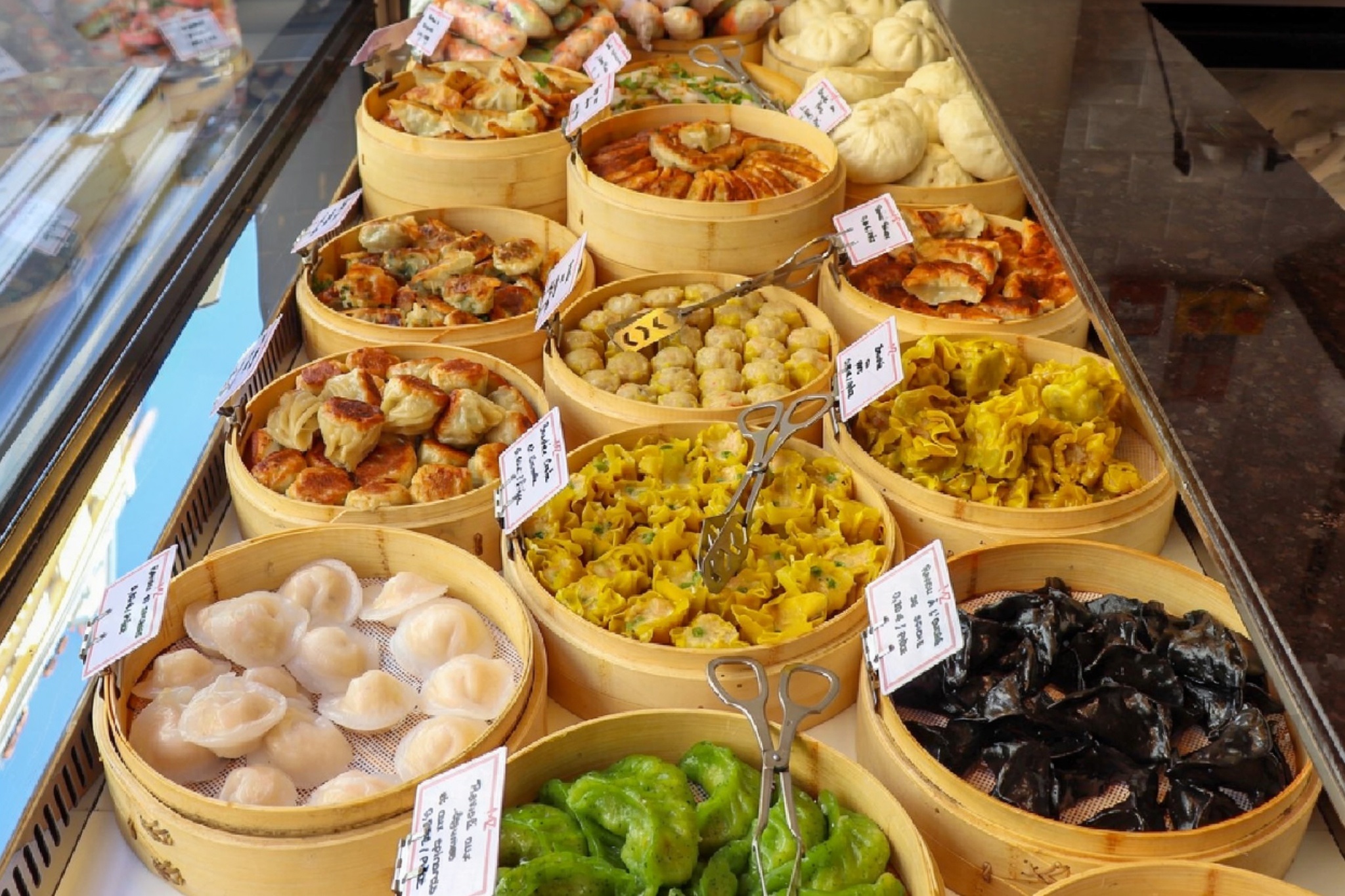
Cantonese cuisine, blessed with a subtropical climate and access to the sea, prizes freshness above all. A Cantonese chef's highest compliment is that a dish tastes of its ingredient — that the steamed fish tastes purely of fish, that the roasted goose tastes purely of goose. Fujian, with its long coastline and mountainous interior, specializes in seafood and the art of the soup — clear, patient broths that extract every whisper of flavor from dried scallops, fish maw, and medicinal herbs.
Jiangsu and Zhejiang, the cuisines of the Yangtze Delta, are the cuisines of scholars and poets: delicate, slightly sweet, obsessed with seasonal ingredients and aesthetic presentation. Hunan, Sichuan's fiercer cousin, pursues heat without the numbing counterpoint — pure, direct, unapologetic fire. Anhui, the cuisine of the Huizhou merchants, draws on the wild ingredients of the Huangshan mountains: bamboo shoots, mushrooms, game, and the smoky richness of slow-braised stews.
Signature Dishes: A Tasting Menu
Each cuisine announces itself through iconic preparations. Shandong gives us tangcu huangyu (sweet and sour Yellow River carp) and jiuzhuan dachang (nine-turn intestines, a dish of such technical difficulty that it tests a chef's mastery of heat, timing, and sauce). Sichuan offers mapo doufu — the pockmarked grandmother's tofu — a dish that achieves all seven of Sichuan's flavor notes in a single bowl: numbing, spicy, hot, savory, fragrant, flaky, and tender.
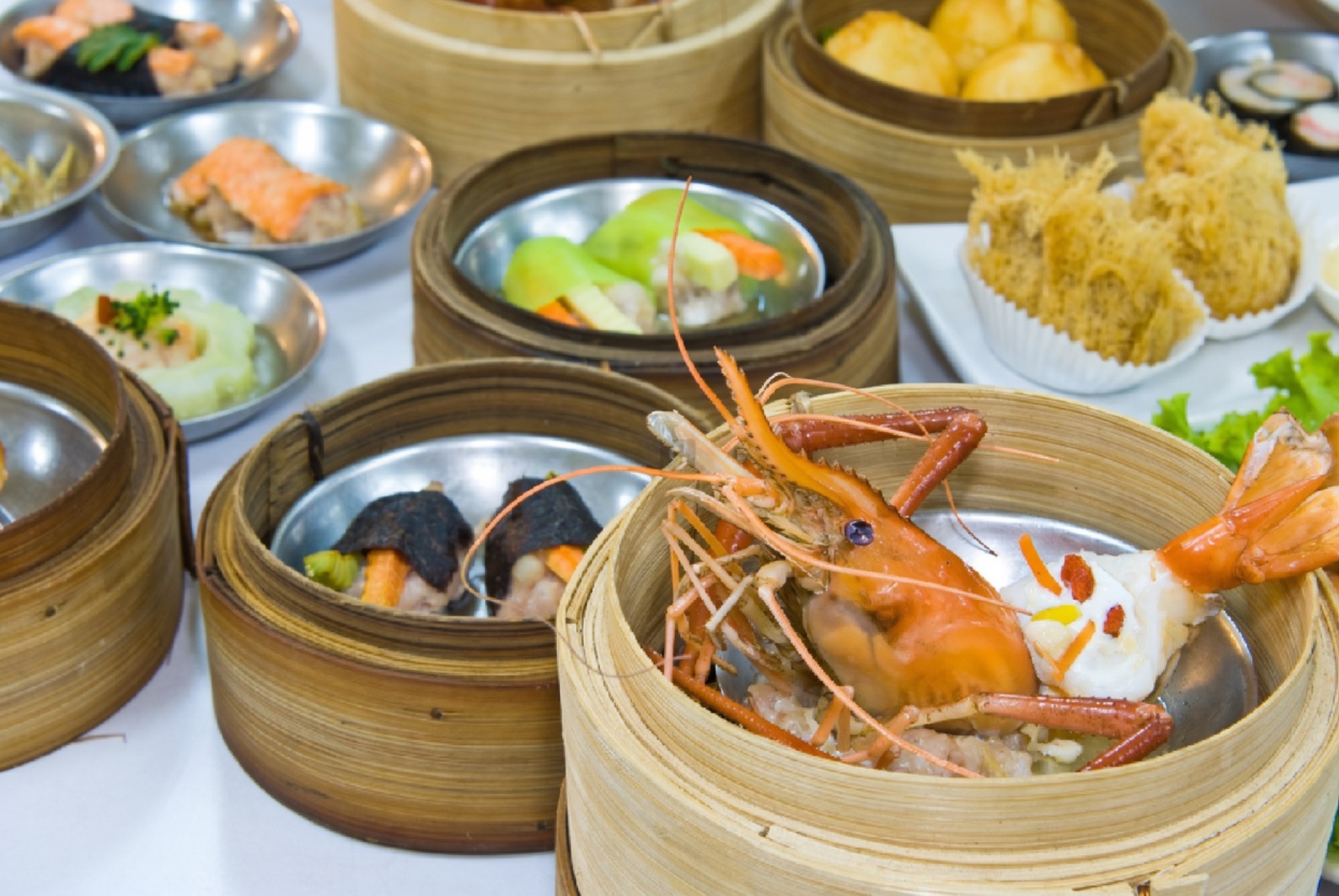
Cantonese cuisine presents baiqie ji (white-cut chicken), poached with such precision that the skin is glassy, the flesh barely cooked, and the bones still faintly pink — served with nothing but ginger-scallion oil and soy sauce, because the chicken needs no embellishment. Fujian contributes fo tiao qiang ("Buddha jumps over the wall"), a soup so fragrant that legend holds a meditating monk abandoned his vows to taste it. Jiangsu offers songshu guiyu (squirrel-shaped mandarin fish), scored, fried, and sauced into a form resembling a squirrel's tail — a dish that is simultaneously a technical tour de force and a piece of edible sculpture.
The Doctrine of 色香味形
Chinese culinary criticism evaluates a dish according to four criteria: se (色, color), xiang (香, aroma), wei (味, taste), and xing (形, form). A dish must please the eye before it reaches the mouth. The colors must harmonize — the red of chili against the green of scallion, the white of tofu against the gold of crispy skin. The aroma must announce the dish before it arrives, building anticipation. The taste must unfold in layers, revealing itself gradually. And the form — the cut, the arrangement, the vessel — must elevate the ingredients into composition.
This fourfold standard transforms cooking from mere sustenance into a total aesthetic experience. It is why a Chinese banquet is choreographed like a symphony: cold dishes first, then hot stir-fries, then a soup to cleanse, then a whole fish for prosperity, then a starch to ground, then fruit to close. The sequence is not arbitrary; it follows the logic of the palate, building and releasing tension, moving from light to rich and back again.
Food as Medicine, Dining as Ritual
In China, the boundary between kitchen and pharmacy has always been permeable. The concept of yaoshi tongyuan (药食同源) — medicine and food share the same origin — means that every meal is, potentially, an act of healing. Ginger warms the stomach. Mung beans cool the blood. Black sesame nourishes the kidneys. Red dates build qi. The Chinese home cook selects ingredients not only for flavor but for their therapeutic properties, adjusting the menu to the season, the weather, and the constitution of the diners.
Dining etiquette reinforces this sense of food as communal ritual. The lazy Susan turns clockwise. The eldest is served first. The fish is placed with its head toward the guest of honor. Chopsticks are never stabbed into rice, for that resembles incense sticks offered to the dead. To pour tea for another is an act of care; to tap two fingers on the table in thanks is an act of grace. These small ceremonies transform eating from a biological necessity into a practice of civilization.
Eight Traditions, One Civilization
What unites the eight cuisines is not a shared flavor profile but a shared seriousness — a conviction that cooking is among the highest expressions of human culture, worthy of the same intellectual rigor and aesthetic ambition as painting, poetry, or philosophy. The Sichuan chef and the Cantonese chef disagree about almost everything, yet both believe that a meal can be a masterpiece, that ingredients deserve respect, and that feeding another person is among the most profound acts of care available to us.
In an age of globalized fast food and algorithmic meal delivery, the eight cuisines stand as a reminder that eating well is not a luxury but a birthright — and that the civilization which produced them understood something essential about the relationship between pleasure, knowledge, and the good life.